

A lot of people arrive in Dubai thinking they’ll stay for two or three years. That’s usually the plan at the beginning. A new job, a business opportunity, a temporary move for the family. But somewhere along the way, the temporary starts feeling permanent. Children settle into schools, routines become familiar, friendships grow, and before long, people realise they’re no longer just living in Dubai. They’ve actually built a life here.
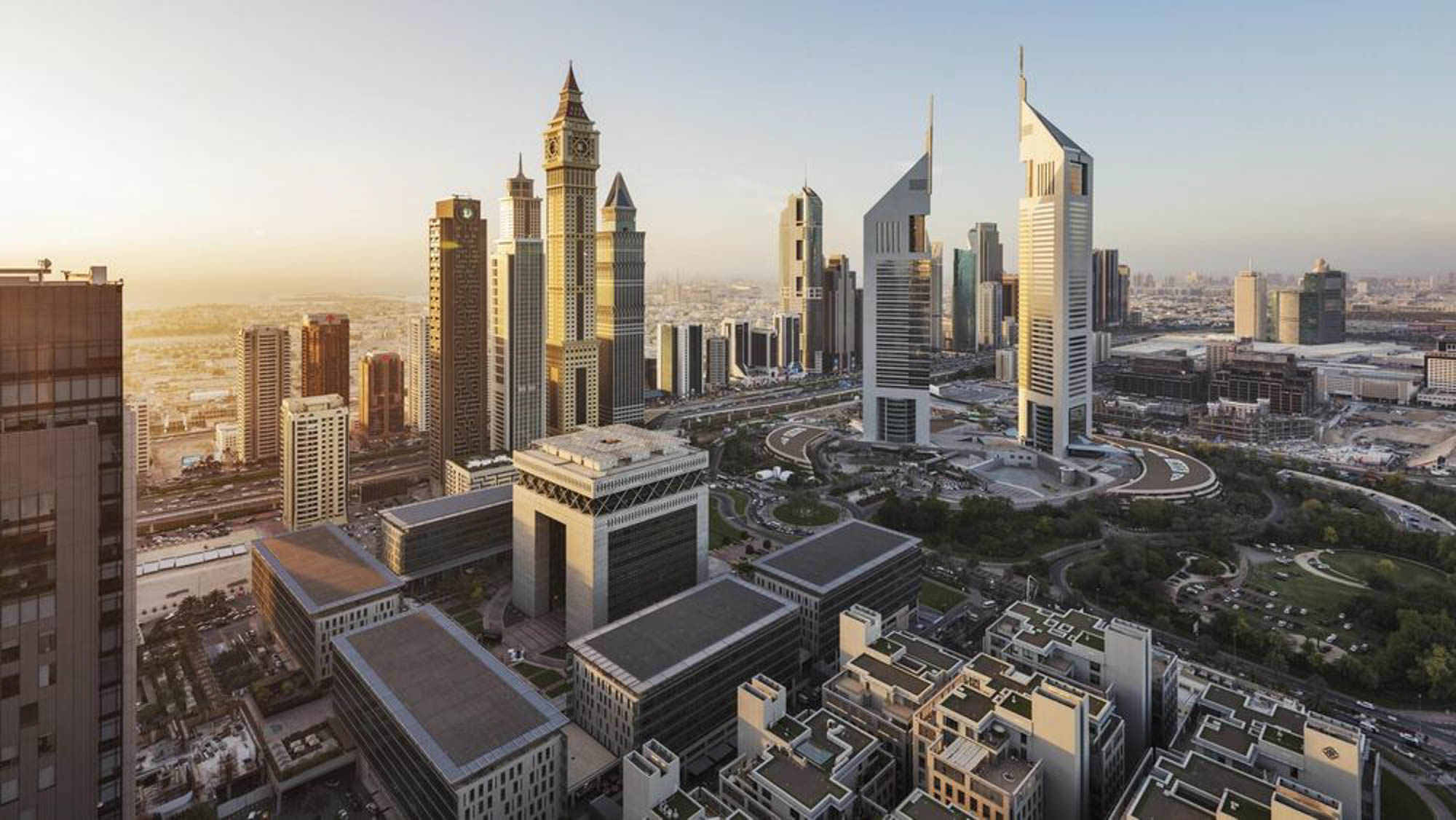
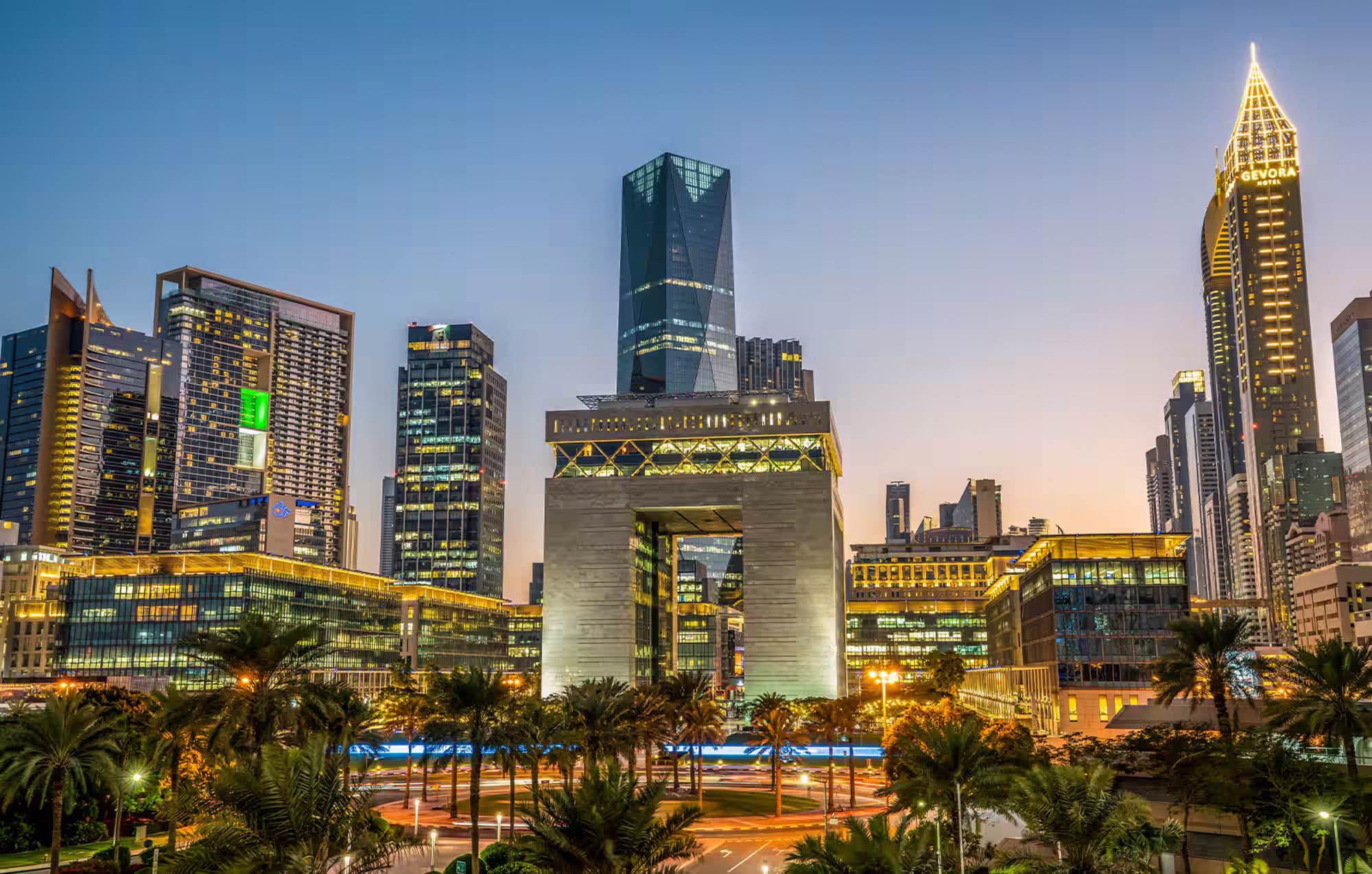
What once attracted professionals, entrepreneurs and international investors primarily through business potential has gradually evolved into something far more complete. Over the past decade, the city has developed into an environment where family life feels intentionally supported through safety, infrastructure, education, healthcare and a level of day-to-day ease that has become increasingly difficult to find across many major global cities.
For families arriving in Dubai for the first time, the experience often feels surprisingly fluid. Daily life moves with a sense of structure and efficiency that quietly reshapes routine itself. School commutes remain manageable, residential communities feel carefully planned around accessibility and public spaces maintain a level of order that contributes to a stronger sense of comfort and reassurance over time.
This sense of stability continues to play an important role in why many expatriate families ultimately extend their plans in the UAE far beyond their initial expectations. Parents often describe a growing sense of confidence in allowing children greater independence within community environments, while the overall pace of life feels considerably more balanced than in many densely pressured metropolitan centres internationally.
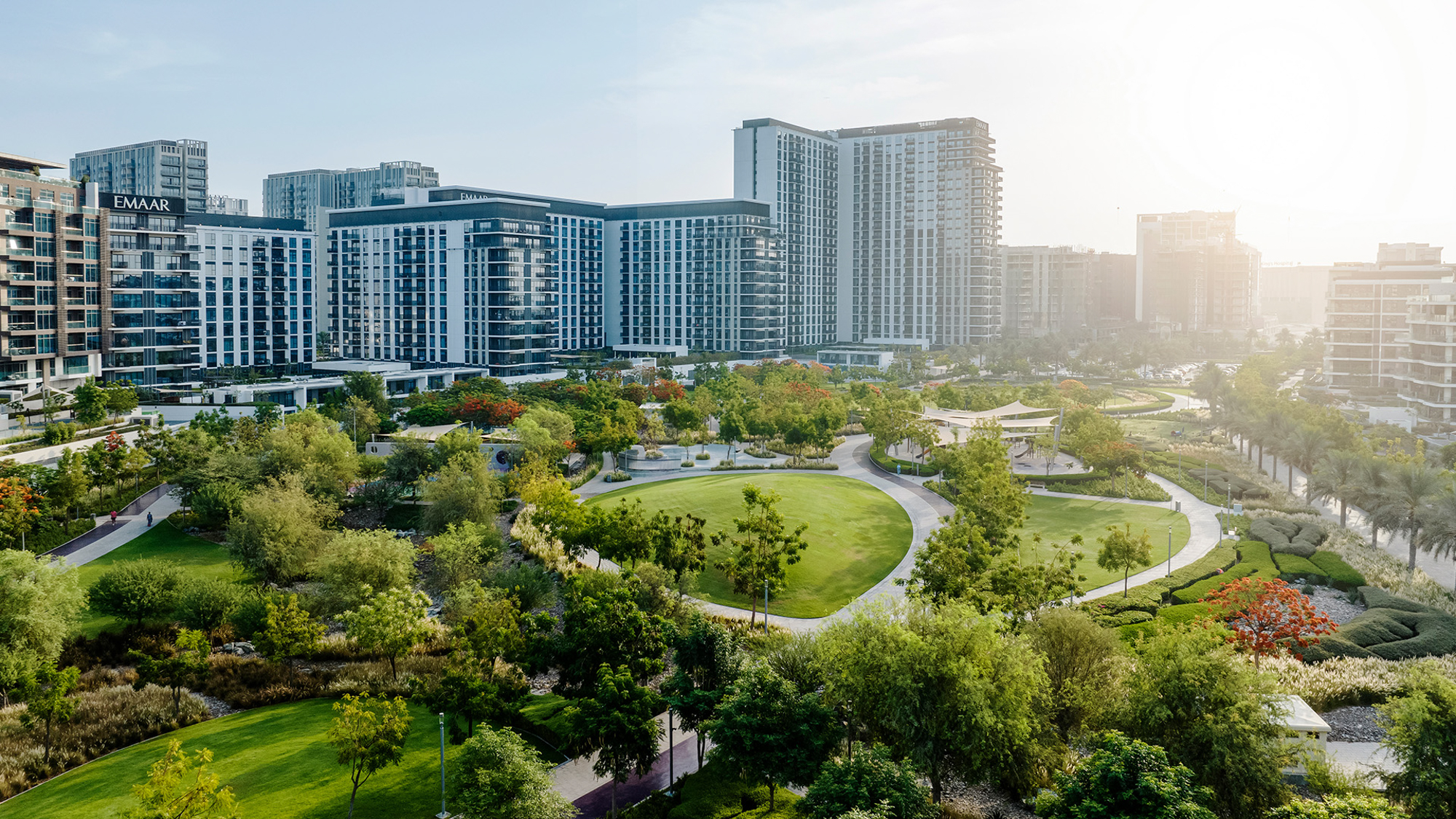
Dubai’s residential communities have also evolved significantly in response to the needs of long-term family living. Areas such as Dubai Hills Estate, Arabian Ranches, Emirates Hills, Jumeirah Golf Estates and Palm Jumeirah increasingly function as fully integrated lifestyle environments where schools, wellness facilities, parks, cafés and recreational spaces exist naturally within the surrounding community fabric. The result is a version of city living that feels more connected, less fragmented and considerably more accommodating to family routines.
Education remains central to this experience. Dubai’s academic landscape now offers a broad range of internationally recognised curricula, including British, American and International Baccalaureate systems across highly regarded institutions that continue attracting students from around the world. Beyond academic achievement itself, many schools have increasingly prioritised student wellbeing, athletics, arts and leadership development, reflecting a broader understanding of how international families now define educational quality.